
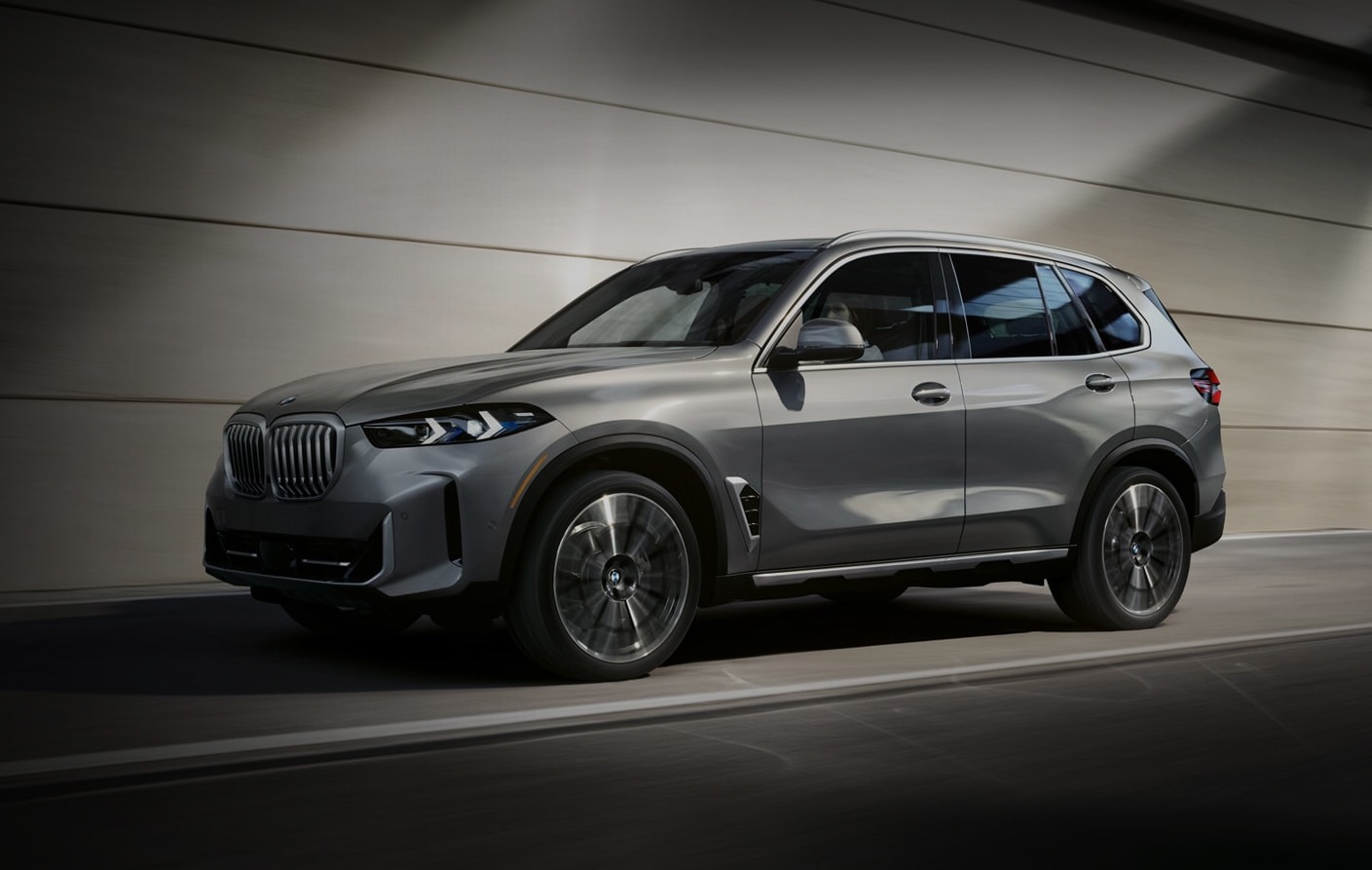
Patrick BMW - Which midsize luxury SUV is more comfortable for daily commuting around Rolling Meadows, IL?
Comfort is the quiet superpower of a luxury SUV. When you commute along I-90, weave through neighborhood streets, and tackle weekend plans back-to-back, the way a vehicle isolates bumps, calms cabin noise, and reduces driver workload makes all the difference. If you’re weighing the BMW X5 against the Porsche Cayenne, the question is straightforward: which one helps you arrive more relaxed day after day around Rolling Meadows, IL?
Both SUVs are excellent, but they achieve comfort differently. The BMW focuses on intuitive tech, hands-free capability on compatible highways, and an interior that blends tactile materials with smart storage. Porsche leans on athletic chassis tuning, PASM as standard, and available adaptive air suspension to deliver poised ride quality. Here’s how to look at the details that matter for your commute.
Ride quality that fits real roads
The X5’s tuning threads the needle between plush and planted, smoothing cracked pavement and bridge joints while staying composed when you change lanes to catch an opening. Available Adaptive M Suspension further tightens body control without dialing out comfort. The Cayenne’s PASM is standard and excellent; pair it with adaptive air suspension and you’ll enjoy an impressive breadth between supple and sporty. Where the X5 creates an edge is how naturally it blends calm ride motions with direct, settled steering that takes the edge off daily driving.
Cabin quiet and seating support
Over time, subtle differences in quietness and seat support become big differences in how you feel when you pull into the driveway. The X5’s cabin is well insulated, while available Merino leather and multi-contour seat options layer in long-drive support without stiffness. Cayenne seats are authoritative and supportive too, and enthusiasts may prefer the firmer feel. If your days include multiple hops around town, the X5’s seat ergonomics and noise isolation excel at keeping fatigue at bay.
Assistance that truly assists
On eligible highways, BMW’s Highway Assistant enables hands-free driving at speeds up to 85 mph, with Active Lane Change and clear visual prompts. That’s a substantial comfort advantage for longer suburban stretches, helping your shoulders and neck stay relaxed while the system handles steady-state driving. Porsche’s assistance technologies are robust and confidence-inspiring, but it does not offer an equivalent hands-free system. For pure commuting ease, the BMW’s system is one of the most intelligently executed you’ll find today.
Infotainment ease and daily flow
The BMW Curved Display ties together a crisp driver display and responsive center touchscreen, backed by a rotary controller that simplifies interaction when you’d rather not tap around. Wireless Apple CarPlay® and Android Auto™ run seamlessly, and the My BMW App supports remote preconditioning and status checks. Porsche’s updated interface is sharp with thoughtful controls and an available passenger display, but the X5’s layout reduces interactions to the essentials more consistently. The difference shows up on busy days when you want fewer steps between you and your preferred podcast, call, or destination.
Space where you use it
Cargo flexibility is comfort in disguise. The X5 offers 33.9 cubic feet behind the second row and up to 72.3 cubic feet in 40i models with the seats folded (the xDrive50e offers up to 71.2 cubic feet). The Cayenne’s 27.3/60.3 cubic-foot layout is versatile, but you’ll notice the extra headroom and load length in the BMW when packing strollers, sports gear, or a weekend’s worth of home project supplies. The X5’s powered split tailgate adds everyday convenience—load low and secure delicate items on the sturdy lower shelf while keeping the upper hatch closed in tight parking spots.
What if you like a sportier feel?
If your comfort includes an extra helping of adrenaline, both brands oblige. The X5 M60i and M Competition deliver sophisticated V8 thrust and M calibration, while Porsche’s GTS, Turbo E-Hybrid, and more bring undeniable theater. The takeaway for commuting, though, is that you won’t give up serenity in the BMW to get speed; its character stays calm and cohesive at a pace you’ll actually use Monday through Friday.
How to choose based on your drive
Think about where you feel the most taxed: is it steady highway time, stop-and-go near Woodfield, or frequent errands around Arlington Heights and Palatine? The X5’s hands-free Highway Assistant pays dividends on expressways; its split tailgate and cargo space win during errands. If you prefer a firmer, more overtly sporty ride, the Cayenne’s tuning will speak your language. Many shoppers ultimately choose the BMW because it turns busy days into quieter ones—without dulling the fun.
- Highway comfort: X5 offers hands-free capability on compatible highways up to 85 mph, easing long suburban stretches and reducing fatigue.
- Cabin experience: BMW Curved Display, available Merino leather, and optional Harman & Kardon® audio create a calm, premium environment.
- Cargo convenience: Up to 72.3 cu ft (40i) and a split tailgate make bulky items and weekly hauls easier to manage.
- Test both on the same loop with broken pavement, highway merges, and neighborhood turns.
- Toggle each SUV’s driver-assistance settings and assess how clearly the systems communicate.
- Load a stroller, golf bag, or storage bin to feel the real packaging differences.
Frequently Asked Questions:
Does BMW’s hands-free system work in stop-and-go traffic?
Highway Assistant is designed for controlled-access highways and higher-speed driving. In lower-speed, stop-and-go traffic, the X5’s adaptive cruise and lane-centering support can help reduce workload, but hands-on attention remains essential.
Can both SUVs handle Midwest weather confidently?
Yes. The X5 xDrive adds intelligent all-wheel drive and available cold-weather features, while the Cayenne’s traction systems and available air suspension enhance control. Proper seasonal tires are the best foundation for either SUV’s capability.
Which one is quieter at 70 mph?
Both are refined, but many commuters report the X5 feels a touch calmer at cruising speed thanks to its cabin isolation, smooth power delivery, and assistance features that minimize small steering corrections.
If you’re mapping out a daily routine that stays comfortable even when your schedule isn’t, the BMW X5 makes a persuasive case. One visit and a back-to-back drive are often enough to feel the difference. Patrick BMW is here to help, serving Mount Prospect, Rolling Meadows, and St. Charles with expert product knowledge and an easy, supportive shopping experience.
Have questions about how the plug-in hybrid X5 xDrive50e fits your garage routine or public charging plans? Our team will walk through home charging options, using the app for preconditioning, and how electric miles can simplify your weekday driving.
Request more 2026 BMW X5 information
Categories:
BMW X5